In today's world, businesses rely heavily on uninterrupted power supply to ensure their operations run smoothly. Unplanned power outages can lead to significant financial losses and damage a company's reputation and to mitigate these risks, organizations turn to uninterruptible power supply (UPS) systems. Traditional UPS systems have served well over the years, but the emergence of decentralized parallel architecture has revolutionized the way businesses approach power backup solutions. Read further to know what is decentralized parallel architecture and the benefits of deploying decentralized parallel architecture for UPS systems.
What is decentralized parallel architecture?
Decentralized parallel architecture (DPA) refers to a design approach that distributes power protection and backup capabilities across multiple UPS units in a decentralized manner. DPA enables load sharing among the modules, thereby improving the overall reliability and efficiency of the UPS system. Each UPS module is connected in parallel to provide power to a load, ensuring efficient utilization of resources and equalized load distribution across individual units/modules.
What are the benefits of decentralized parallel architecture?
Enhanced Reliability and Redundancy
Decentralized parallel architecture offers an unprecedented level of reliability and redundancy for UPS systems. Unlike conventional centralized parallel architecture setups, where a single system carries the entire load, decentralized parallel architecture distributes the load across multiple independent UPS modules/units. Each unit operates autonomously, providing power backup for a designated portion of the load. With decentralized parallel architecture, a single point of failure and the risk of downtime is greatly reduced, enhancing the reliability of the power backup system.
Scalability and Flexibility
The Decentralized Parallel Architecture (DPA) offers unparalleled and seamless scalability and flexibility, making it an ideal choice for businesses of all sizes. Businesses can easily add or remove UPS modules/units as needed, without disrupting ongoing operations. This modular approach enables organizations to adapt their power backup systems to changing requirements, whether due to business growth or seasonal fluctuations in demand. It provides the flexibility to expand or contract the UPS infrastructure while maintaining optimal efficiency.
Improved Efficiency and Energy Savings
Efficiency and energy savings are crucial considerations for any business. Decentralized parallel architecture enhances the overall efficiency of a UPS system. By ensuring that each UPS unit operates within its optimal capacity, the system can achieve higher efficiency levels.
Furthermore, this architecture enables equalized load sharing, where the workload is divided evenly among the UPS units. During mid/low load periods there is no need to power down the modules/unit to increase the efficiency as it remains flat across mid to high load level. As a result, DPA not only enhances the performance and reliability of UPS systems but also contributes to significant energy savings, leading to reduced operational costs.
Streamlined Maintenance and Serviceability
Maintenance and serviceability are essential factors to consider when selecting a UPS system. Decentralized parallel architecture simplifies maintenance and serviceability. Since each UPS unit operates independently, maintenance can be performed on individual modules /units without affecting the overall system. This approach minimizes disruptions and ensures that businesses can continue their operations seamlessly, even during maintenance or repairs. With years of expertise, the right tools, and the largest service network in the industry, Numeric ensures the smooth functioning of your UPS system and total peace of mind.
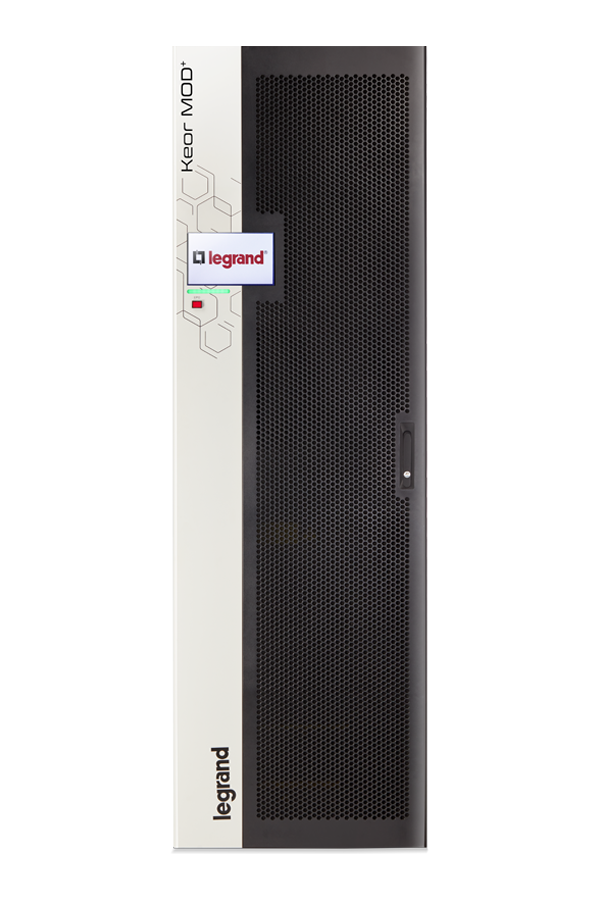
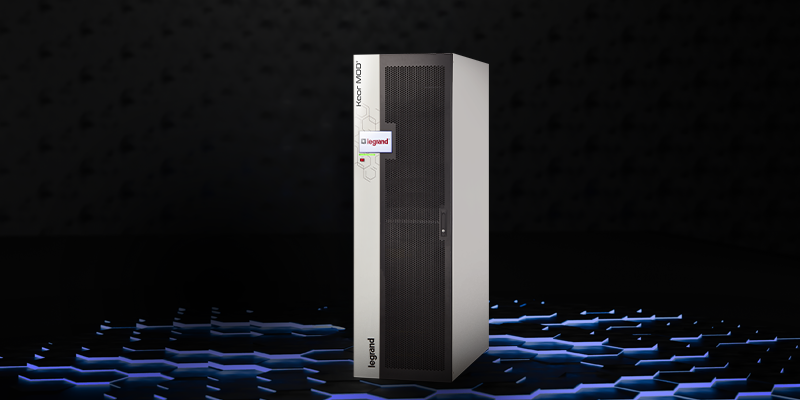
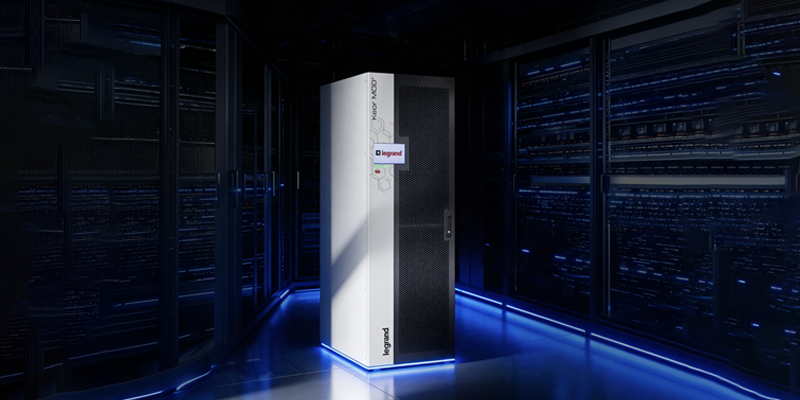
Decentralized parallel architecture (DPA) has revolutionized the UPS industry by offering a more modular, scalable, reliable, and cost-effective solution than centralized systems. Numeric modular UPS solutions like Keor MOD use DPA with three-level IGBT technology and dual protection. This provides even greater reliability and performance than traditional DPA systems. Keor MOD systems are also hot-swappable and highly scalable, making them ideal for a wide range of applications. Overall, decentralized parallel architecture presents multiple benefits over traditional centralized systems. If you are looking for a reliable, scalable, and cost-effective UPS solution, then DPA is the way to go.