India's digital economy is on the rise, projected to reach a $1 trillion valuation by 2030 (Source: Fortune India). With sectors like banking, healthcare, e-commerce, and smart cities going digital, data centers are at the core of this transformation. As the demand for reliable, high-performance data centers grows, ensuring their uptime and efficiency has never been more crucial.
The Role of Data Centers in Critical Sectors
BFSI: Real-Time Financial Services Depend on Uptime
In the BFSI sector, data center uptime isn't just a convenience—it’s essential. A single hour of downtime could cost banks between ₹7.5 crore and ₹15 crore (Source: Business Today). Not only do outages hurt profits, but they can also erode customer trust and damage a brand’s reputation. For real-time financial services, every minute of uptime counts.
Healthcare: More Than Operational Consequences
In healthcare, downtime can have life-threatening consequences. Data centers play a vital role in managing patient records and telemedicine applications. According to HIMSS Analytics, every minute of downtime costs the healthcare sector up to ₹4.5 lakh. The impact on patient care can delay critical treatments and diagnosis.
Smart Cities: Keeping Essential Services Running
Smart cities rely on uninterrupted data flow for traffic management, public safety, and infrastructure. A disruption, like the one experienced in Pune’s traffic control system in 2020, can paralyze an entire city’s operations (Source: Times of India), making reliable power systems a necessity.
E-commerce: The Cost of Downtime
For e-commerce platforms, downtime directly translates to poor customer experience.. During peak shopping seasons, each minute of outage can cost retailers up to ₹60,000 (Source: Forrester). In today’s competitive environment, no business can afford to lose customers due to power failures.
Overcoming Power Infrastructure Challenges in India
India's power infrastructure faces challenges that could jeopardize data center uptime:
- Frequent Power Outages: Major Indian cities faced over 100 outages in 2022 alone (Source: India Power Ministry).
- Voltage Fluctuations: Voltage fluctuations of ±30% can damage sensitive equipment.
- Surging Power Demand: During peak months, power demand spikes by up to 30%, posing risks to grid stability (Source: Power Grid Corporation of India).
Types of Data Centers and Their Criticality in Power Continuity
Different types of data centers have distinct uptime expectations, depending on their function. Selecting the right UPS system requires understanding the specific requirements of each type:
- Enterprise Data Centers: These are essential for critical operations, requiring Near-Zero Downtime. These centers are crucial for internal applications and must operate 24/7 without interruption.
- Colocation Data Centers: Shared spaces for businesses, with a target of 99.982% uptime. These facilities host multiple tenants, and any downtime can affect several businesses.
- Cloud Data Centers: Hosting global services and demanding 99.999% uptime. As cloud services are the backbone of modern digital infrastructure, uptime is paramount.
- Edge Data Centers: Supporting real-time applications like IoT, edge data centers require 99.99% uptime. These centers are closer to end-users and must ensure minimal latency.
- Micro Data Centers: Compact units for remote locations, with 99.9% to 99.99% uptime. They provide localized services but still require high availability.
- Hyperscale Data Centers: Large-scale cloud providers with Tier IV redundancy. These facilities require extremely high uptime due to their size and global reach.
- Government Data Centers: Serving public services, these data centers require 99.982% uptime, ensuring continuous operations of government functions.
- Telecom Data Centers: Backbone for communications, aiming for 99.99% uptime. Telecom data centers support critical communication networks and must remain operational at all times.
- Disaster Recovery Data Centers: Backup facilities for emergencies, these centers must meet or exceed 99.982% uptime, ensuring continuity during disasters.
(Source: Dana Cloud)
Key Parameters of Data Centers for UPS Selection
When selecting a UPS for your data centers, there can be different scopes that play an important role. However, as a gold standard, keep these factors in mind:
- Total Cost of Ownership (TCO): Consider long-term savings through energy efficiency, compact footprint and lower maintenance costs.
- Power Capacity & Scalability: Ensure the UPS can handle both current peak loads and future growth.
- Redundancy for Maximum Uptime: Choose systems with N+1 or 2N redundancy for fault tolerance.
- Energy Efficiency: Energy-efficient UPS systems reduce operational costs and enhance sustainability.
- Advanced Battery Technology & Monitoring: Opt for Lithium-Ion batteries with predictive maintenance tools to prevent failures.
Why Numeric UPS is the Right Choice
Total Cost of Ownership (TCO):
Numeric Advantage:Compact designs save on space and real estate costs. High-efficiency systems and long-life batteries optimize long-term savings.Check how we have ensured maximum ROI for our customers here.
Power Capacity & Scalability:
Numeric Advantage: Flexible solutions tailored for growing and established data centers, meeting both current and future power demands seamlessly.
Redundancy for Minimal Downtime:
Numeric Advantage: Advanced N+X redundancy ensures fault tolerance and near-zero downtime, critical for uninterrupted operations.
Energy Efficiency:
Numeric Advantage: Achieves up to 99% efficiency in ECO mode with three-level IGBT technology, drastically lowering energy costs and boosting sustainability.
Battery Technology & Monitoring:
Numeric Advantage: Compatible with Lithium-Ion batteries (2-3x more lifespan compared to lead-acid batteries). Features real-time monitoring tools for predictive maintenance and reduced disruptions.
Global Expertise with Local Support:
Numeric Advantage: Backed by Legrand's global leadership and with the largest UPS service network in India, Numeric’s 900+ factory-certified professionals are trained for responsive, reliable support.
24/7 Customer Support:
Numeric Advantage: Equipped with a state-of-the-art customer excellence centre (CEC) that provides comprehensive, technology enabled, end-to-end customer support round the clock.
This local network ensures fast response times, comprehensive support, and the ability to quickly address any service needs, providing customers with peace of mind for their mission-critical operations.
How Numeric Ensured Power Continuity for a Global Fintech’s billion dollar operations?
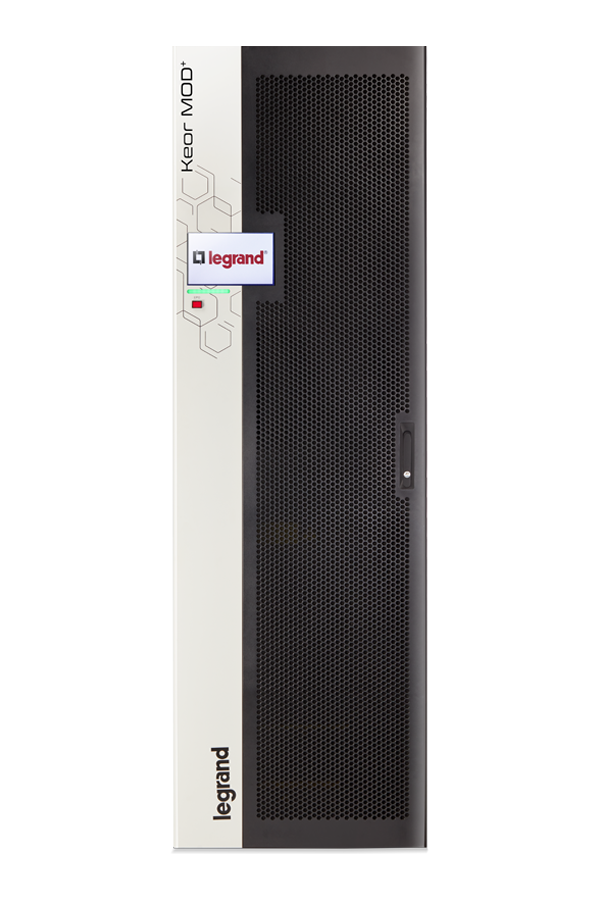
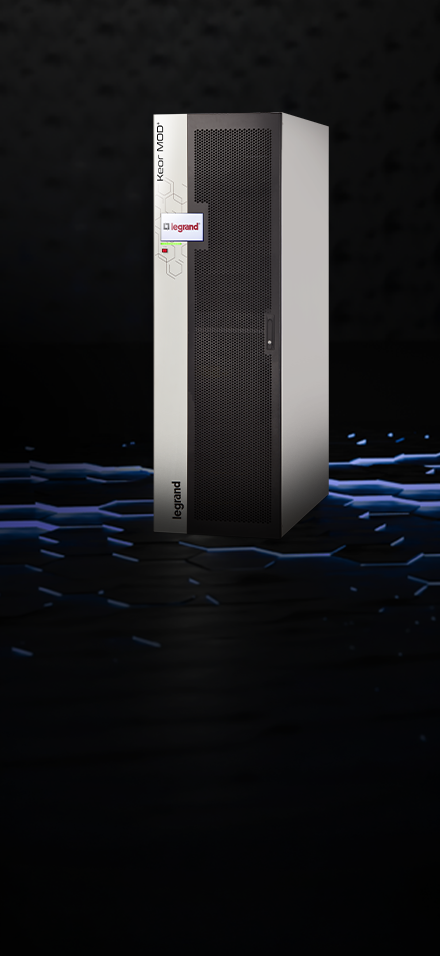
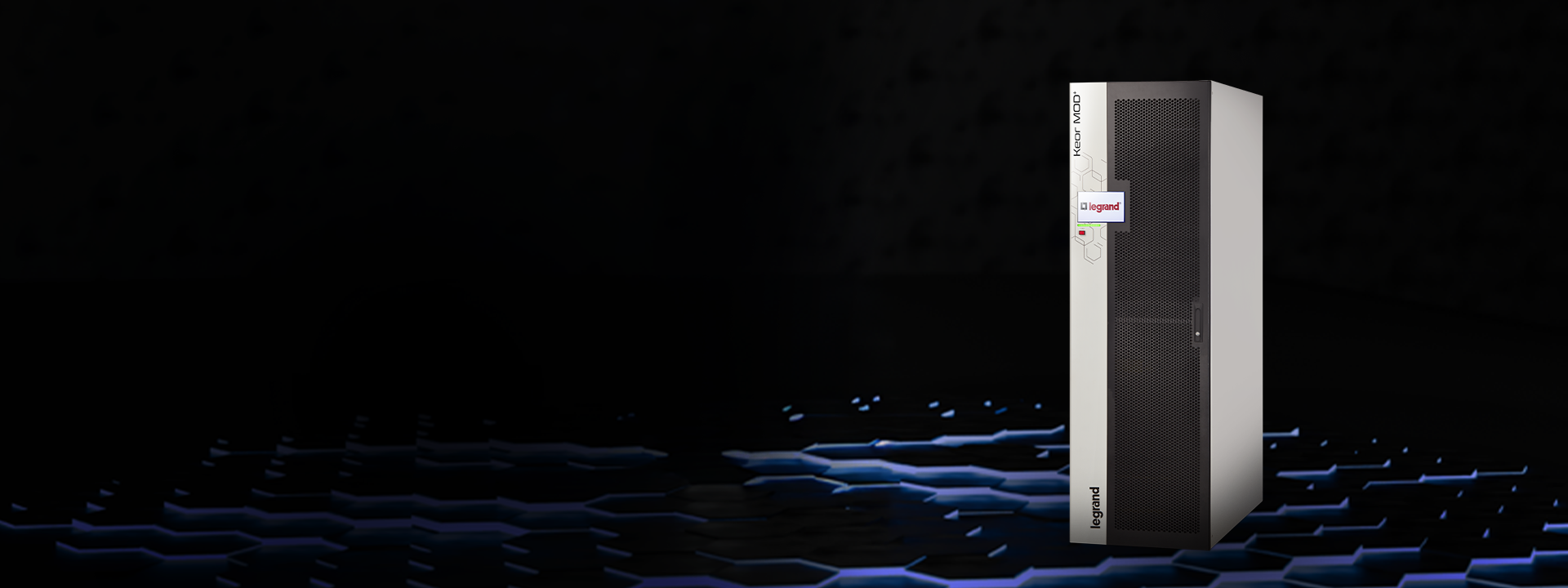
FIS Global, a global leader in financial technology, entrusted Numeric to tackle critical challenges in their data centers, including power interruptions, energy inefficiency, and scaling infrastructure demands. By deploying the Keor MOD UPS, Numeric ensured maximum efficiency, seamless scalability, and uninterrupted operations, saving FIS ₹13-17 lakhs annually while reducing their carbon footprint equivalent to planting 500 trees.
Conclusion: Securing India’s Digital Future
As India’s digital infrastructure continues to expand, the role of reliable data centers cannot be overstated. Choosing the right UPS system ensures maximum uptime, energy savings, and long-term reliability.
Ready to secure your data center? Explore Numeric’s advanced UPS range.