
Modular UPS (Uninterruptible Power Supply) are a type of backup power solution that use modular architecture for scalable and flexible power protection. Modular UPS are reliable solutions for businesses who are seeking scalability and flexibility in their power backup requirements. This results in lower costs, improved energy efficiency, and greater reliability compared to traditional, non-modular UPS systems. In this article, we will delve into the benefits of choosing modular UPS and applications, to help you understand how they can play a key role in keeping your business continuity go uninterrupted.
What is a Modular UPS?
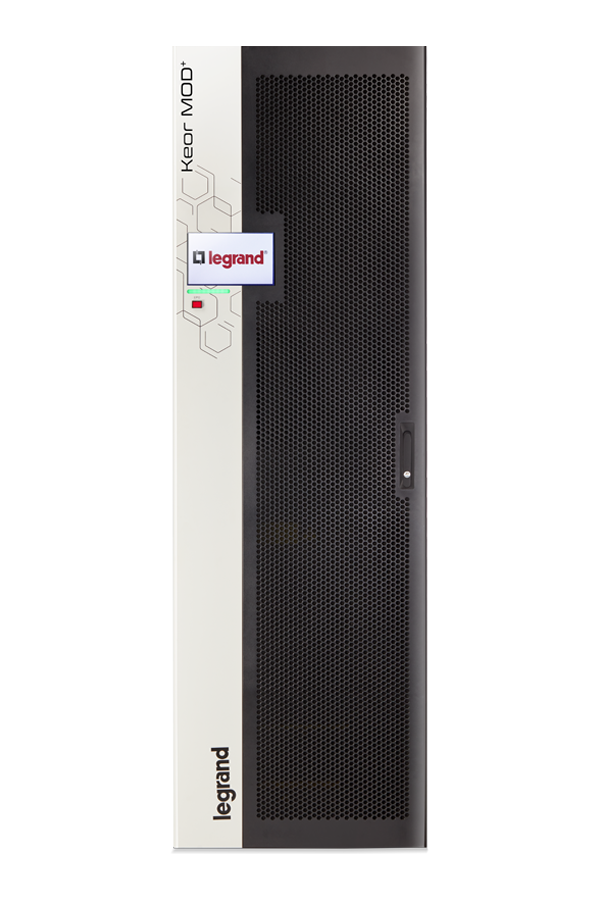
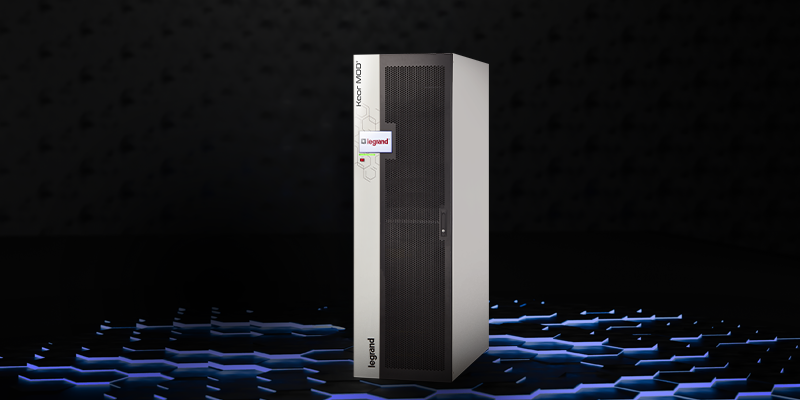
A Modular UPS is an uninterrupted power supply system that is built from a combination of individual power modules that combines to form a larger system. Modular UPS can be scaled up or down to meet specific power requirements. Each module in a modular UPS works as a separate UPS and includes a rectifier, inverter, battery charger, bypass arrangement and back feed protection. These modules can be combined in parallel to increase capacity or in series to increase runtime.
Benefits of Modular UPS
The modular UPS design offers several benefits for businesses and organizations looking to improve their power reliability and reduce their total cost of ownership.
-
Scalability
Modular UPS comprises several online double conversion (transformer-less) modules working in parallel within a single system. The scalable nature of modular UPS enables easy customization to meet evolving business needs, rendering it a cost-efficient and flexible solution for expanding enterprises. -
High Availability & Redundancy
Reliability is the main factor in why UPS is deployed. In modular UPS systems, it is easy to achieve redundancy or increase the power by simply adding one or more modules, without disturbing the current system. Monolithic UPS has a single-module architecture which may cause a single point of failure in case of breakdown. However, in modular UPSs, any faults in the power circuits remain confined within the individual module, which is automatically excluded. Numeric Modular UPS solutions provide high availability by allowing for hot-swappable and module redundancy, reducing downtime in the event of a failure. -
Energy Efficiency
As modern enterprises embrace their responsibility toward sustainability and energy efficiency, the focus is shifting to efficiency optimisation and conscious carbon footprint reduction while ensuring operating costs are optimal. Modular UPS systems are often more energy efficient than traditional centralized UPS systems, which can result in reducing carbon emissions and total cost of ownership (TCO). -
Easy Maintenance
With hot-swappable module design, Modular UPS offers convenient maintenance and service options. This not only maximises uptime but also reduces the overall cost of ownership. Scheduling periodic maintenance further reduces downtime. -
Compact Footprint
Modular UPS are sleek in design and purposefully kept compact, hence easy to install. These UPS are designed for modern applications and have a much smaller footprint than a conventional UPS. -
Lower total cost of ownership
Modular UPS offers flexibility in terms of requirements. One can optimise the module uses as per running load. Once the load is increased then additional modules can be installed without affecting the existing framework. It saves the running cost and minimises the total cost of ownership.
Where is Modular UPS used?
Modular UPS systems are commonly used in a variety of business-critical applications where reliable, continuous power is essential:
-
Data Centers
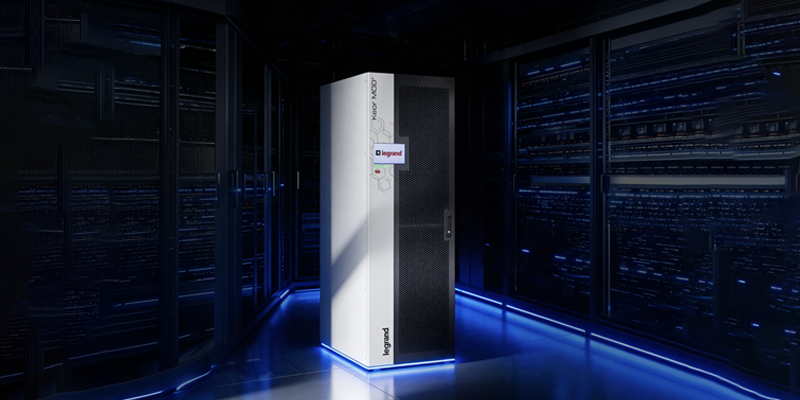
In today's landscape, computing and data storage have become integral to both personal and enterprise operations, including mission-critical systems. As a result, the expectations placed upon these applications are continually expanding and so has the need for reliable uninterrupted power backup. By prioritizing a high-power density, exceptional efficiency, and top-notch performance, Modular UPS solutions offer an ideal solution that caters to modern data center ever-changing requirements. -
Telecommunications Networks
With Telecommunications Networks growing emphasis on scalability, redundancy, optimising network energy usage, and adopting more responsible operations have made Modular 3-phase UPS an ideal choice, especially for telecom switches, routers, and other network equipments. -
Healthcare
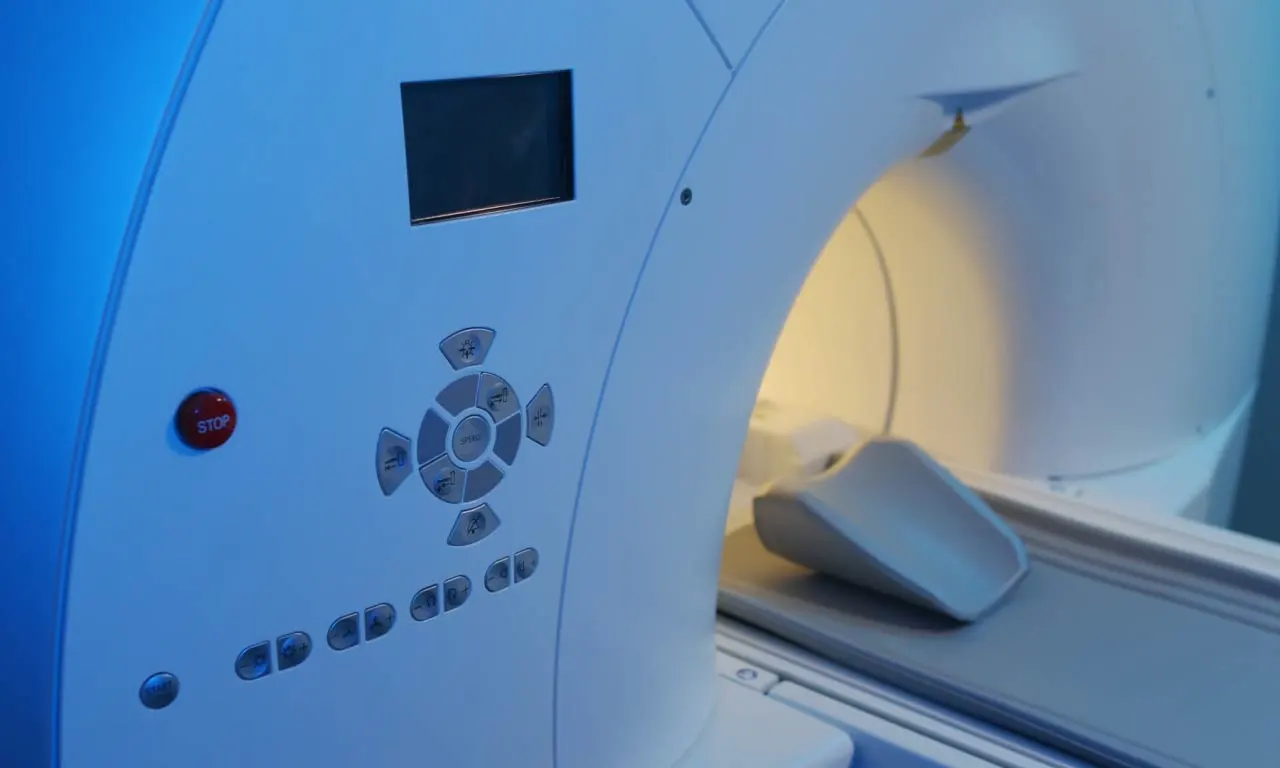
The demand in the healthcare segment is increasing for a modular flexible power backup system offering scalable and redundant features optimized particularly for medical equipment and infrastructure in hospitals, clinics, and other healthcare facilities. -
Industrial Process Control
Modular UPS are commonly used to provide power backup for control systems, robotics, and other industrial processes where uninterrupted process continuity is essential. -
Financial Institutions
Financial institutions such as banks, investment firms, and insurance companies have critical applications that cannot experience downtime or data loss due to power disruptions. The 3-phase modular UPS are used to protect sensitive financial and banking systems from power disruptions. -
Infrastructure
Modular UPS systems are used to ensure continuous power for critical infrastructure and mission-critical infrastructure installations.
Modular UPS are used in a wide range of applications where reliable, continuous power is essential for maintaining business operations and ensuring safety. You can also explore our range of modular 3-phase UPS that redefines the concept of modularity, and scalability, designed with flexible architecture, and state-of-the-art technology.